Live Web Reasoning
Why Agentic Extraction Pipelines Outperform Scheduled Scrapers for Daily Multi-Site Product Data
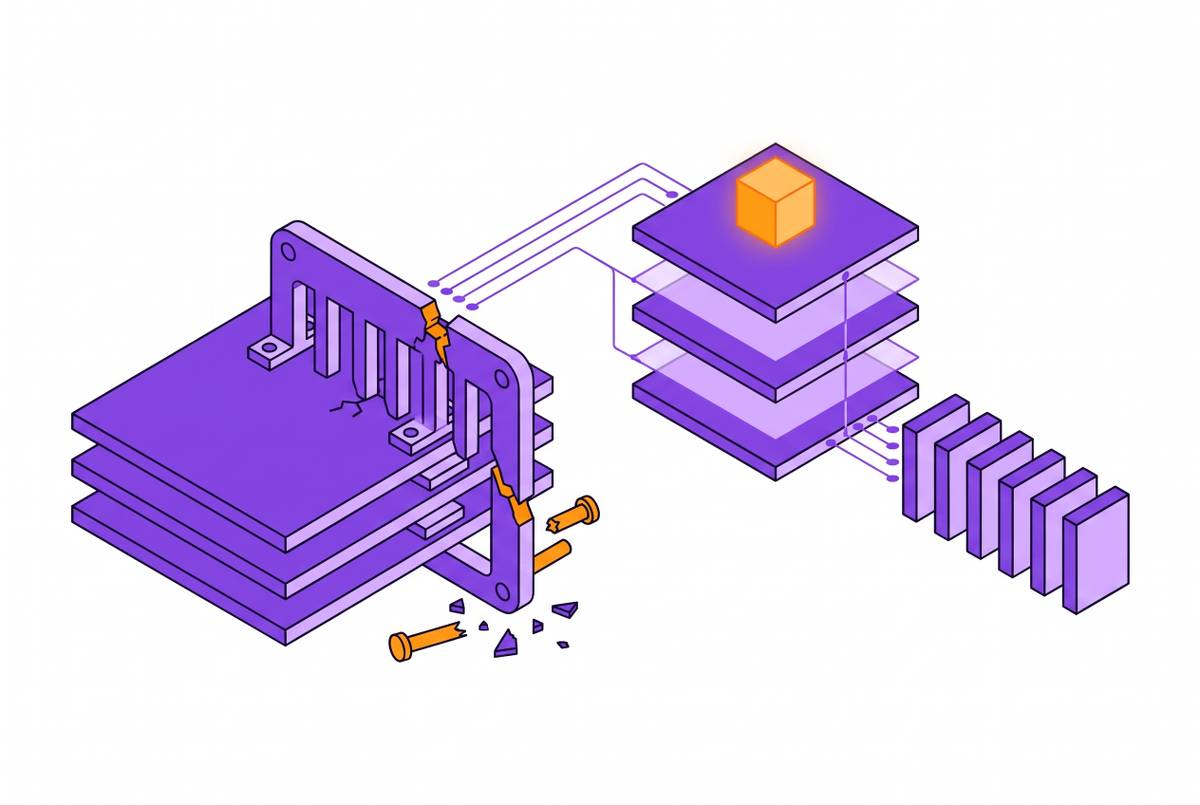
Agents adapt to page changes; scheduled scrapers break when sites redesign.
Tobias Wrenfeld · November 3, 2026 · 8 min read
Section
15 stories in Live Web Reasoning
Agents adapt to page changes; scheduled scrapers break when sites redesign.
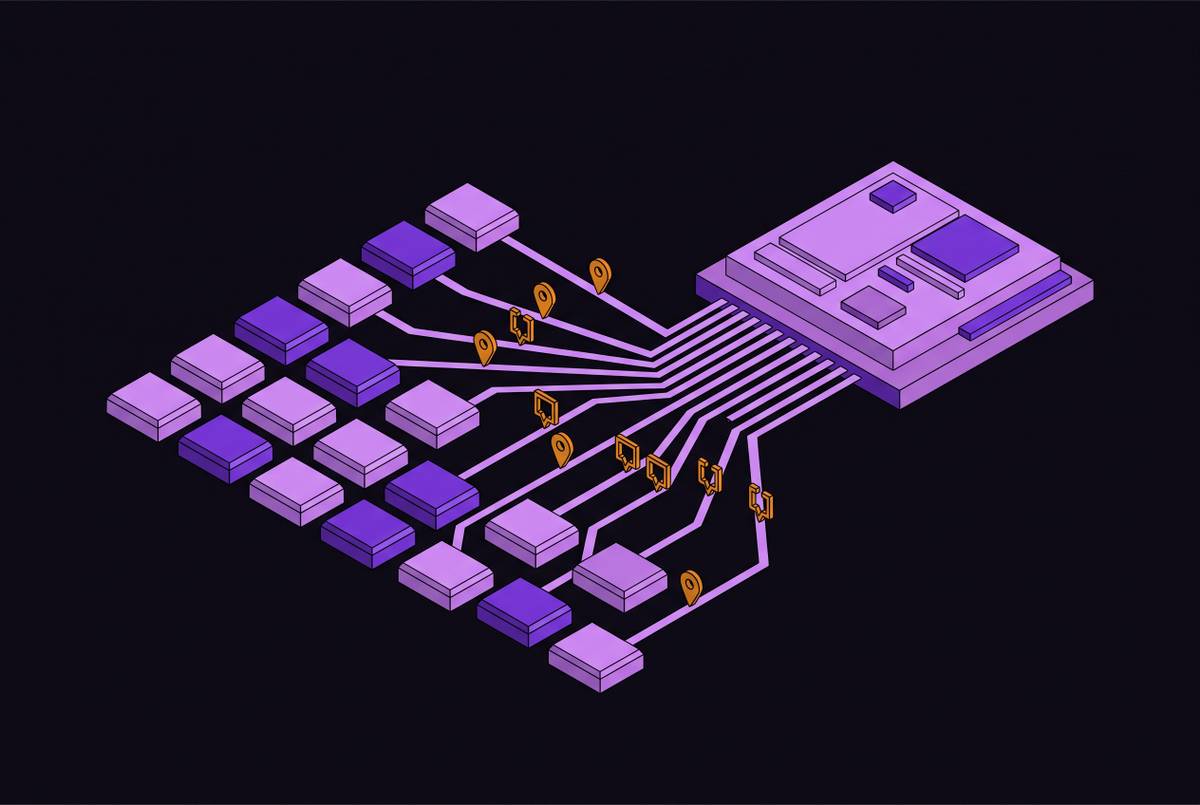
Turn raw HTML into reliable structured data for AI agents through validation and semantic layering.
Agentic parsing decouples extraction from page layout changes.
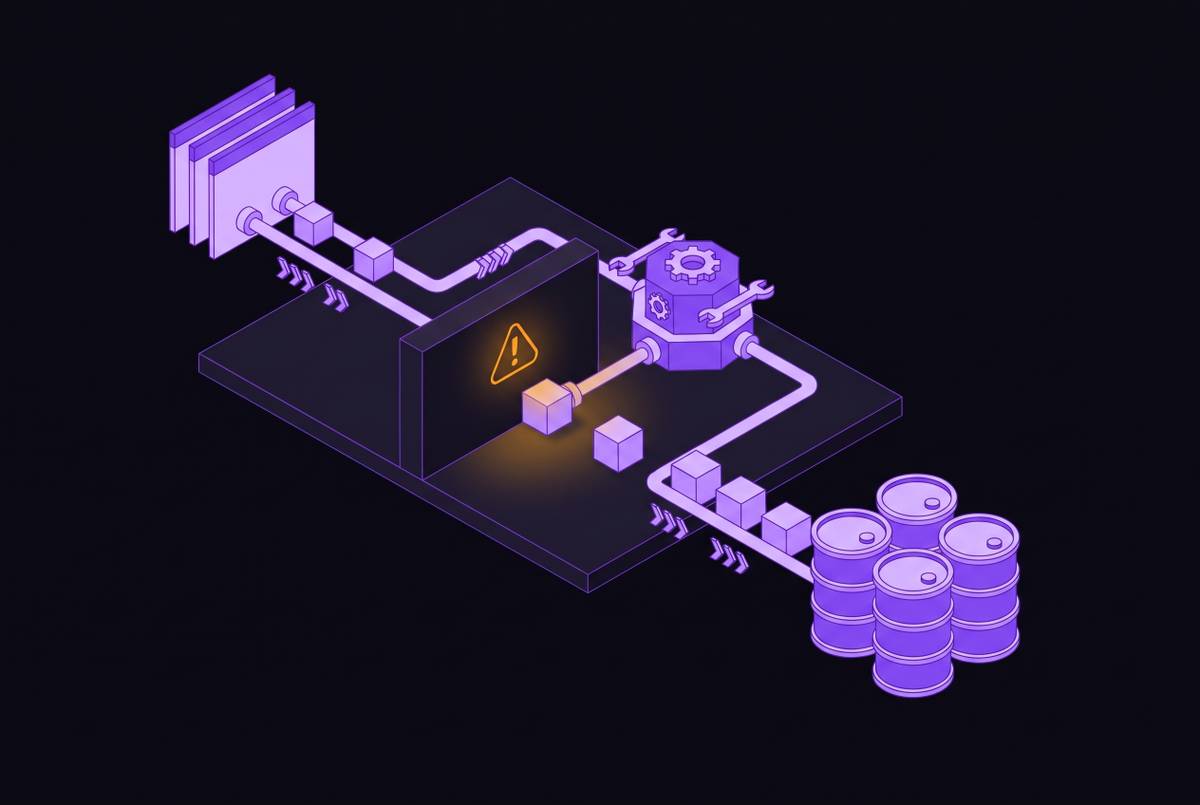
Autonomous web scrapers need classified failures before they can adapt recovery strategies.
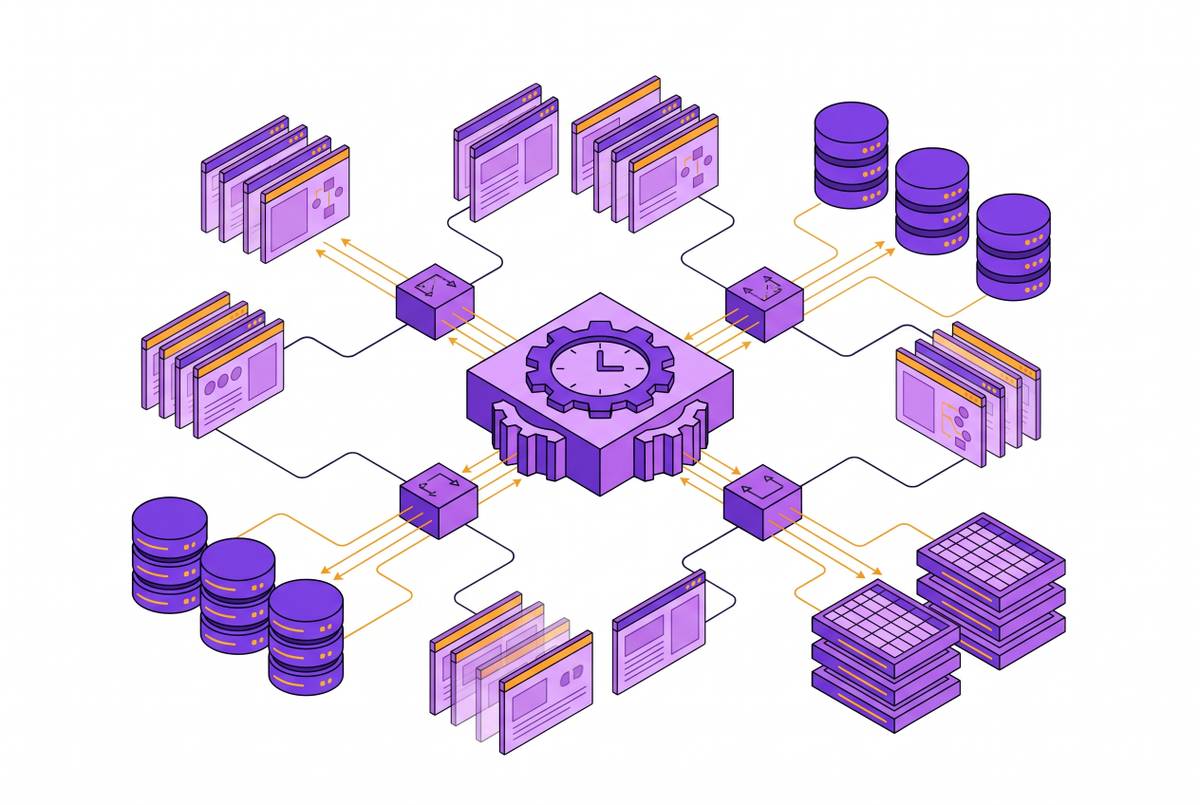
Scheduler design, not AI models, solves production web extraction at scale.
Orchestration, not scraper strength, determines large-scale pipeline reliability.
Web-grounded agents cite URLs without guaranteeing the sources actually support their claims.
AI crawlers now ignore the honor system that made robots.txt work for search engines.
Paywalls block retrieval pipelines before models ever see the content.
LLM agents fail modern defenses not through poor mimicry but environmental gaps.
Agents need push alerts from the web, not endless polling loops.
Fixing the fetch layer prevents silent failures when agents hit paywalls and JavaScript.
Treating domain scope, depth limits, and page caps as one setting breaks research agents silently.
Live web retrieval keeps AI models current when training data becomes stale.
Silent failures in AI pipelines let empty pages masquerade as valid data.